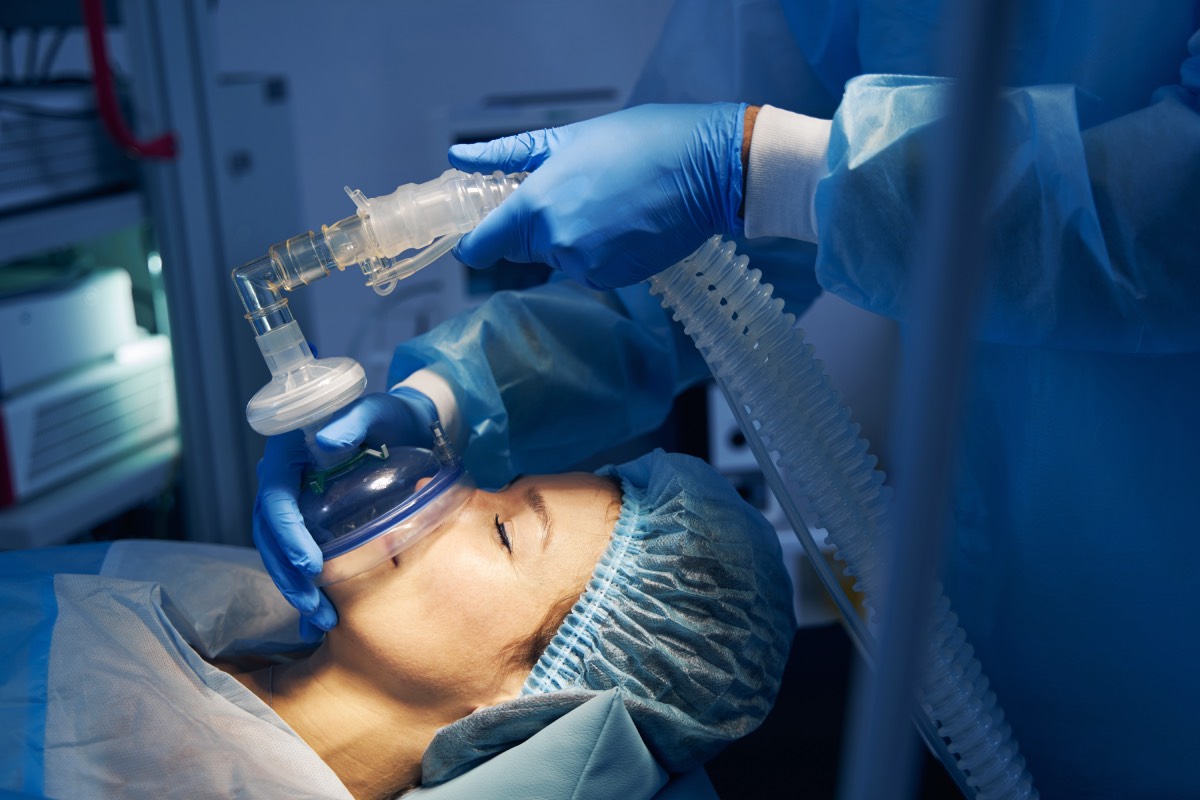
Hypotension during anesthesia induction is a common and significant phenomenon that reflects the complex interplay between anesthetic agents, autonomic regulation, intravascular volume status, and underlying patient physiology. Although often transient, it can increase the risk of poorer outcomes or complications, particularly in older adults and patients with cardiovascular or cerebrovascular disease. Understanding the physiological mechanisms involved is essential for anticipating, preventing, and managing hypotension due to anesthesia induction.
At baseline, arterial blood pressure is determined by cardiac output and systemic vascular resistance. Cardiac output itself depends on heart rate and stroke volume, while systemic vascular resistance reflects the tone of the body’s blood vessels and is regulated primarily by the sympathetic nervous system. During anesthesia induction, several commonly used agents interfere with one or more of these determinants. Intravenous induction agents such as propofol, thiopental, and, to a lesser extent, etomidate exert direct myocardial depressant and vasodilatory effects, relaxing blood vessels and increasing their circumferences. Propofol in particular reduces systemic vascular resistance by promoting vascular smooth muscle relaxation and attenuating sympathetic vasoconstrictor tone. This decrease in afterload can be profound, especially in elderly or volume-depleted patients.
Simultaneously, many induction agents blunt the baroreceptor reflex. Under normal conditions, a sudden drop in blood pressure is sensed by stretch receptors in the carotid sinus and aortic arch, triggering a compensatory increase in sympathetic outflow. This leads to tachycardia, increased myocardial contractility, and peripheral vasoconstriction, restoring perfusion pressure. Several anesthetic agents impair this reflex arc at different levels, including central autonomic integration and efferent sympathetic transmission. As a result, the expected compensatory tachycardia and vasoconstriction are diminished or absent, allowing hypotension to develop.
Myocardial depression also contributes to reduced cardiac output during induction. Propofol and volatile anesthetics decrease intracellular calcium availability in cardiac myocytes, impairing contractility. Although the degree of depression is often modest in healthy individuals, it can be clinically significant in patients with reduced ejection fraction or limited cardiac reserve.
Venous capacitance plays an additional role. Many anesthetic agents cause venodilation, increasing venous pooling in the peripheral circulation. Because venous return is the primary determinant of preload, a reduction in venous return leads to decreased end-diastolic volume and, consequently, reduced stroke volume according to the Frank-Starling mechanism. This effect is particularly pronounced in hypovolemic patients or those who have undergone prolonged fasting. Even modest relative hypovolemia from this physiological mechanism can amplify hypotension in response to anesthesia induction.
Positive pressure ventilation, typically initiated after induction and neuromuscular blockade, further influences hemodynamics. By increasing intrathoracic pressure, mechanical ventilation reduces venous return to the right heart, decreasing preload. In susceptible patients, especially those with right ventricular dysfunction or marginal volume status, this transition can exacerbate hypotension.
Patient-specific factors significantly modulate these physiological effects. Advanced age is associated with decreased arterial compliance, impaired baroreceptor sensitivity, and reduced beta-adrenergic responsiveness, all of which limit compensatory mechanisms. Chronic antihypertensive therapy, particularly with beta-blockers, angiotensin-converting enzyme inhibitors, or angiotensin receptor blockers, may blunt vasoconstrictive responses. Sepsis, dehydration, and preexisting cardiac dysfunction predispose individuals to exaggerated hypotensive episodes.
Hypotension during anesthesia induction is produced by several physiological mechanisms, including reduced systemic vascular resistance, impaired sympathetic compensation, myocardial depression, decreased venous return, and, in some cases, bradycardia. The relative contribution of each mechanism varies according to the anesthetic regimen and patient characteristics. A thorough understanding of these physiological principles allows clinicians to tailor induction strategies, optimize volume status, and employ vasopressors judiciously to maintain adequate organ perfusion during this critical phase of care.